The Mitochondria Is the Powerhouse of the Cell
If you’ve spent any time on the internet, you’ve seen the joke. Someone asks a biology question and the answer is always, inevitably, without a doubt “mitochondria is the powerhouse of the cell.” It’s the one biology fact everyone remembers, usually because it was drilled into them so aggressively in school and over the internet that it’s almost impossible to forget.
The problem is that’s basically where the explanation stops. Powerhouse of the cell. Great. Thanks. But what does that actually mean, and why should we care?
We should care because the real story of mitochondria is genuinely strange yet fascinating. And it starts not with energy production, but with something that sounds more like a sci-fi plot than a biological mechanism.
Mitochondria Used to Be a Separate Organism
About two billion years ago, mitochondria didn’t exist inside cells. They were their own thing: free-living bacteria, floating around independently, doing their own business.
At some point however, one of these bacteria got absorbed by a larger cell. This happens all the time: cells engulf other cells. Usually the engulfed cell gets digested. But this time, something different happened. Instead of being destroyed, the bacterium survived inside the host cell. Instead of fighting each other, they started working together. Biology’s original enemies to lovers arc, if you will.
The mitochondria bacterium was very good at producing energy using oxygen while the host cell provided shelter and nutrients that the bacterium needed. Over time, this relationship became so close and so permanent that the bacterium essentially became part of the cell itself. It lost its independence and transferred most of its genes to the host cell’s nucleus, eventually becoming what we now call a mitochondrion.
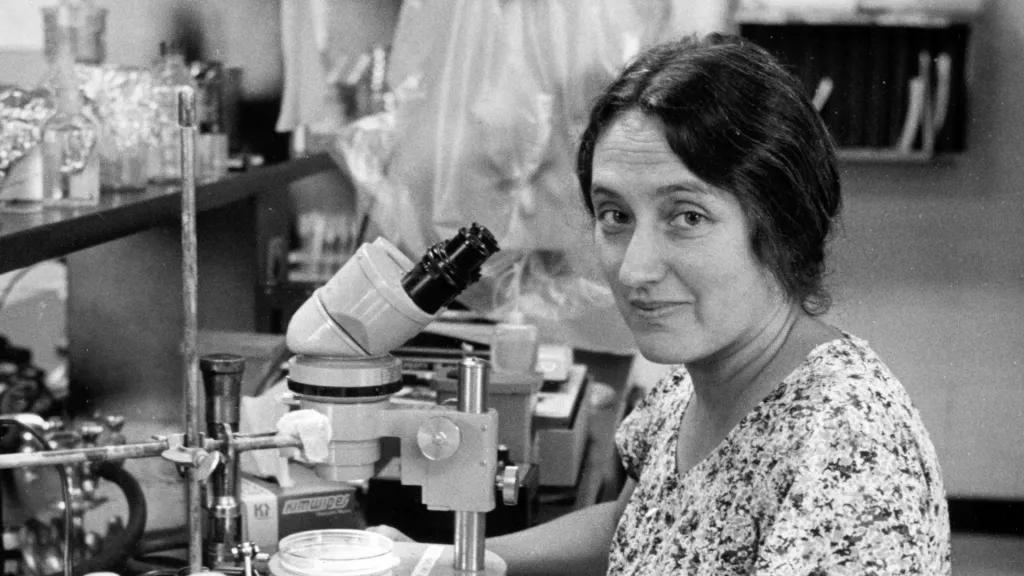
This theory is called endosymbiosis, and it’s not a fringe idea. It’s the scientific consensus, backed by a huge amount of evidence. The person who first proposed it seriously was Lynn Margulis in 1967, and she was laughed at for years before the evidence became impossible to ignore.
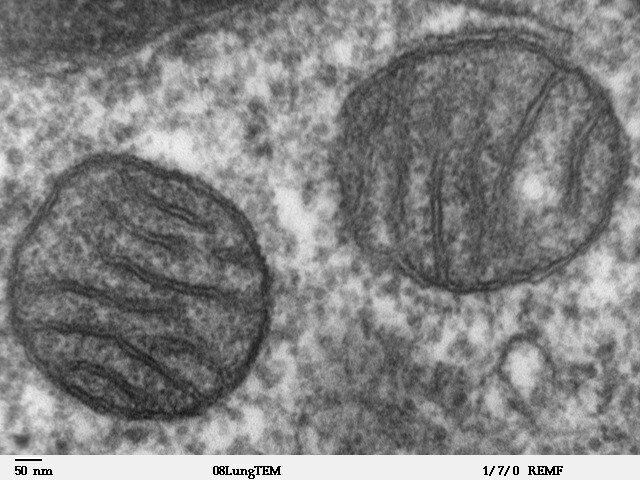
The reason we know this is because mitochondria still behave like bacteria in some very specific ways. For starters, they have their own DNA, completely separate from the DNA in your cell’s nucleus. They replicate by dividing in two, exactly like bacteria do. They even have their own ribosomes (the molecular machines that build proteins), and those ribosomes are more similar to bacterial ribosomes than to the ones found elsewhere in your cells.
Your mitochondria are essentially ancient bacteria that never left.
But What Does the Mitochondria Actually Do?
Back to the powerhouse thing, but properly this time.
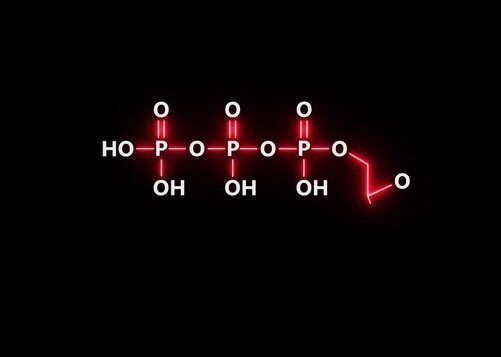
Your cells need energy to do everything: move, divide, build proteins, send signals, maintain their structure. All of it costs energy. And the currency your cells run on is a molecule called ATP, which stands for adenosine triphosphate.
Mitochondria are where most of your ATP is made. They take the glucose from the food you eat, break it down through a series of chemical reactions, and use the energy released to produce ATP. This process is called cellular respiration, and it’s happening constantly in basically every.single.cell in your body.
The inner membrane of a mitochondrion is folded into structures called cristae, which dramatically increases the surface area available for these reactions to happen. More surface area means more ATP production. It’s a remarkably efficient piece of biological engineering for something that started as a free-living bacterium two billion years ago.
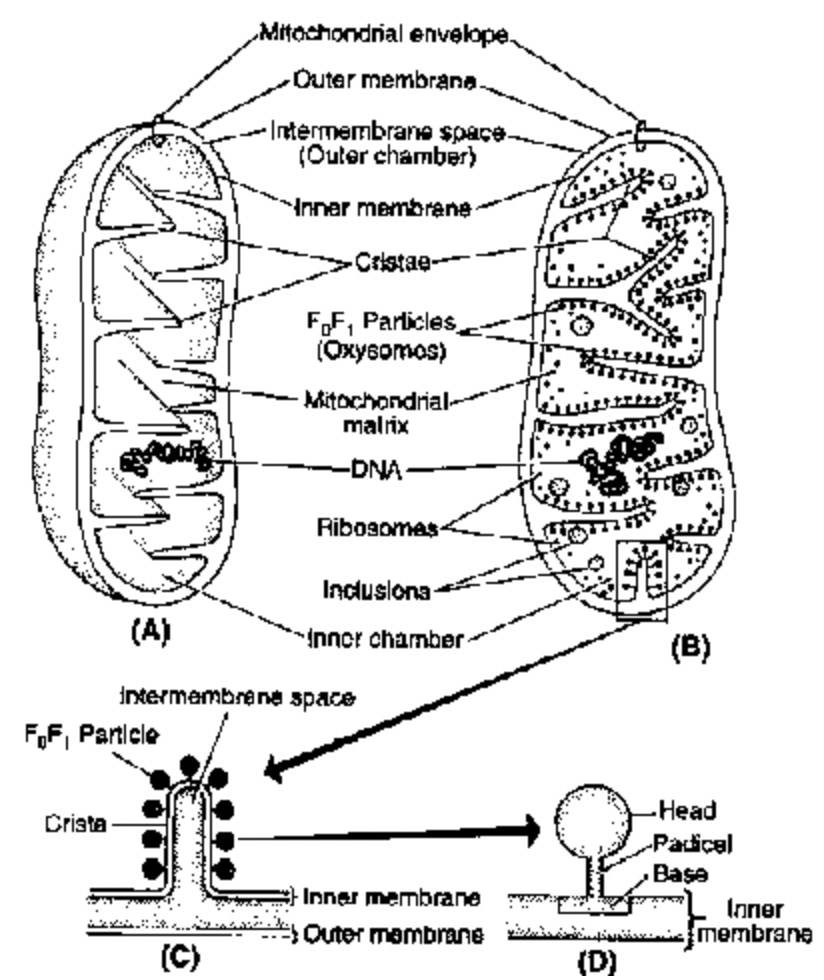
A single cell can contain anywhere from a few hundred to several thousand mitochondria depending on how energy-intensive that cell’s job is. Your muscle cells are packed with them. Your heart cells, which never stop working, have an enormous number too. Even red blood cells, which have no mitochondria at all, are an exception that makes the rule more obvious: without mitochondria, those cells can’t do much beyond carrying oxygen.
Beyond the Energy Production
Mitochondria don’t just produce energy. They also play a central role in deciding when a cell should die.
There’s a process called apoptosis (programmed cell death), where a cell essentially receives a signal to self-destruct in a controlled and orderly way. This happens constantly in your body. It’s how your immune system eliminates infected or damaged cells, how your fingers were separated from each other during development (the cells between them died on purpose), and how your body maintains the right number of cells in each tissue.
Mitochondria are deeply involved in this process. When a cell receives a signal to die, mitochondria release proteins that trigger the self-destruction sequence. They’re not just keeping cells alive, they’re also responsible for deciding when cells should stop being alive.
A cell’s fate, in many situations, is completely dependent on the mitochondria.
This Matters More Than You Think
Mitochondrial dysfunction shows up in a surprisingly wide range of conditions: neurodegenerative diseases like Parkinson’s and Alzheimer’s, certain heart conditions, diabetes, and a group of specific mitochondrial diseases that affect people whose mitochondrial DNA carries mutations.
Since mitochondria have their own DNA, they can accumulate their own mutations over time. And unlike nuclear DNA, which you inherit from both parents, mitochondrial DNA is inherited almost exclusively from your mother. This means mitochondrial diseases follow a maternal inheritance pattern: they pass down through the maternal line.
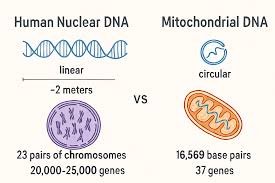
It also means scientists can trace human ancestry through mitochondrial DNA, since everyone alive today inherited their mitochondrial DNA from a single common maternal ancestor. She’s sometimes called “Mitochondrial Eve,” though she wasn’t the only woman alive at the time. She’s just the one whose mitochondrial lineage has survived unbroken to the present day.
The Meme Gets It Right, Actually
“Mitochondria is the powerhouse of the cell” is a reductive summary of something genuinely remarkable. Yes, they produce energy. But they’re also ancient bacteria living inside your cells, carrying their own separate DNA, making decisions about whether your cells live or die, and leaving a trail through human evolutionary history that scientists are still following and learning about every day.
The meme isn’t wrong. It’s just that the real version is so much stranger and more interesting that stopping at “powerhouse” feels like a bit of a waste.
Your cells are running on the descendants of bacteria that decided, two billion years ago, to stop being independent and become something new instead.
To me, it’s not just the meme, albeit the memes are very funny. It is also one of the most remarkable things that ever happened in the history of life.
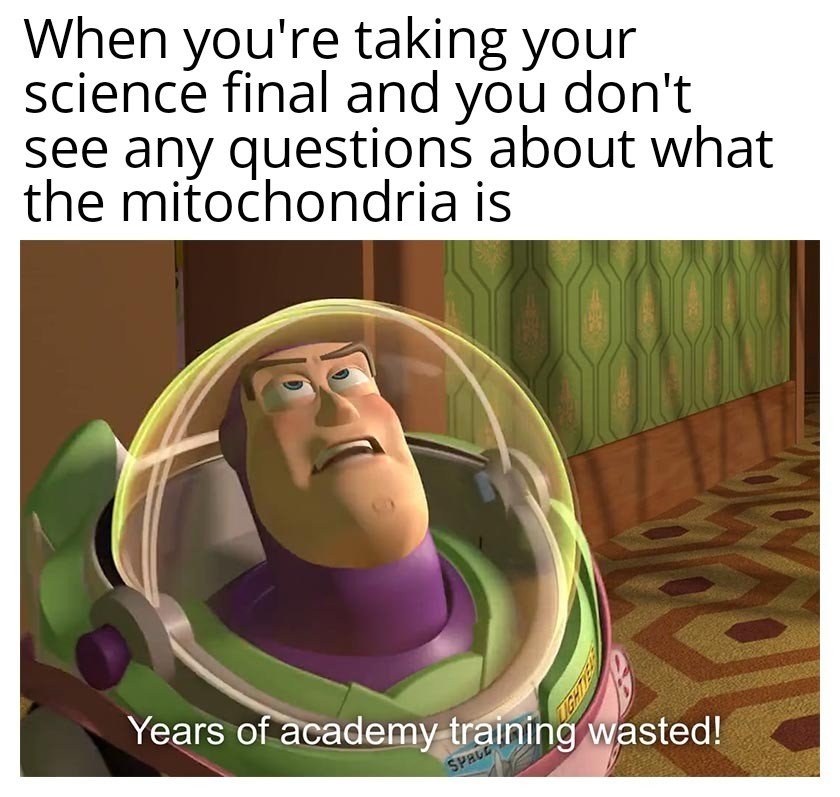
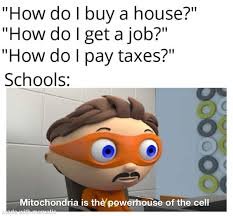
Fun fact that will make you insufferable at parties: “mitochondria” is plural. The singular is mitochondrion. So the meme is technically grammatically incorrect and should be “mitochondrion is the powerhouse of the cell.”
For Visual Learners!
- Amoeba Sisters – Cellular Respiration (UPDATED) https://youtu.be/eJ9Zjc-jdys?si=J_6oammOToSevclX
- CorticalStudios – How Mitochondria Produce Energy https://youtu.be/39HTpUG1MwQ?si=Cjn3o_KNvb-fTAGq
- Seeker – Mitochondria Aren’t Just the Powerhouse of the Cell https://youtu.be/1xwaG-GBHIU?si=epB0CTVDbOUO-zGx
- Anton Petrov – Are We Actually Controlled by Mitochondria? Mindblowing New Discoveries https://youtu.be/vzqXeAtDnTA?si=ZnEJ2w5ih4e5dhcu
- Amoeba Sisters – What is ATP? https://youtu.be/23ZzI6WZS28?si=XisiuMRr-S-FJPQn
- nature video – A new kind of mitochondria https://youtu.be/QKOdGCy34Xw?si=YHfHAuwsctQwO1QY
Proudly powered by Thea;)